How Hawaiʻi’s Sun, Saltwater, and Humidity Affect Your Skin
Living in Hawaiʻi offers constant access to sun, ocean, and warm weather—but these same elements can have a significant impact on your skin over time. While the environment supports an active, outdoor lifestyle, it also introduces unique challenges when it comes to maintaining healthy, balanced skin.
Understanding how sun exposure, saltwater, and humidity affect your skin can help you make more informed decisions about skincare, treatments, and long-term maintenance.

Sun exposure and photoaging
The most significant environmental factor affecting skin in Hawaiʻi is year-round sun exposure. Ultraviolet (UV) radiation penetrates the skin and accelerates the breakdown of collagen and elastin, which are essential for maintaining firmness and elasticity.
Over time, repeated exposure can lead to:
Fine lines and wrinkles
Uneven pigmentation and sun spots
Loss of skin elasticity
Rough or leathery texture
This process, known as photoaging, often occurs earlier and progresses more quickly in tropical climates. Even on cloudy days, UV exposure remains high, making daily sun protection essential.
Saltwater and dehydration
Spending time in the ocean is a regular part of life on Oʻahu, but saltwater can have a drying effect on the skin. While it may temporarily make the skin feel smoother, it can strip away natural oils and contribute to dehydration.
Prolonged exposure to saltwater without proper care can lead to:
Dryness and tightness
Increased sensitivity
Compromised skin barrier function
When the skin barrier is weakened, it becomes more vulnerable to irritation and environmental damage. Rinsing with fresh water and rehydrating the skin after ocean exposure can help restore balance.
Humidity and skin behavior
Hawaiʻi’s humidity can be both beneficial and challenging, depending on your skin type. Higher humidity levels help retain moisture in the skin, which can support a more hydrated and plump appearance.
However, humidity can also:
Increase oil production
Contribute to clogged pores
Exacerbate acne or breakouts
For some, this leads to a cycle of dehydration and overproduction of oil, where the skin becomes both oily and lacking in proper hydration.
Finding the right balance with lightweight, non-comedogenic skincare is key to managing these effects.
How these factors work together
In Hawaiʻi, these environmental elements don’t act in isolation. Sun exposure, saltwater, and humidity often combine to create a cumulative effect on the skin.
For example:
Sun exposure weakens collagen structure
Saltwater disrupts hydration and barrier function
Humidity alters oil production and skin balance
Together, these factors can accelerate visible aging, affect skin texture, and influence how your skin responds to treatments over time.
Impact on aesthetic treatments
Your environment can also affect the longevity and performance of aesthetic treatments.
Increased sun exposure may contribute to faster collagen breakdown, while dehydration and lifestyle factors can influence how your skin heals and maintains results.
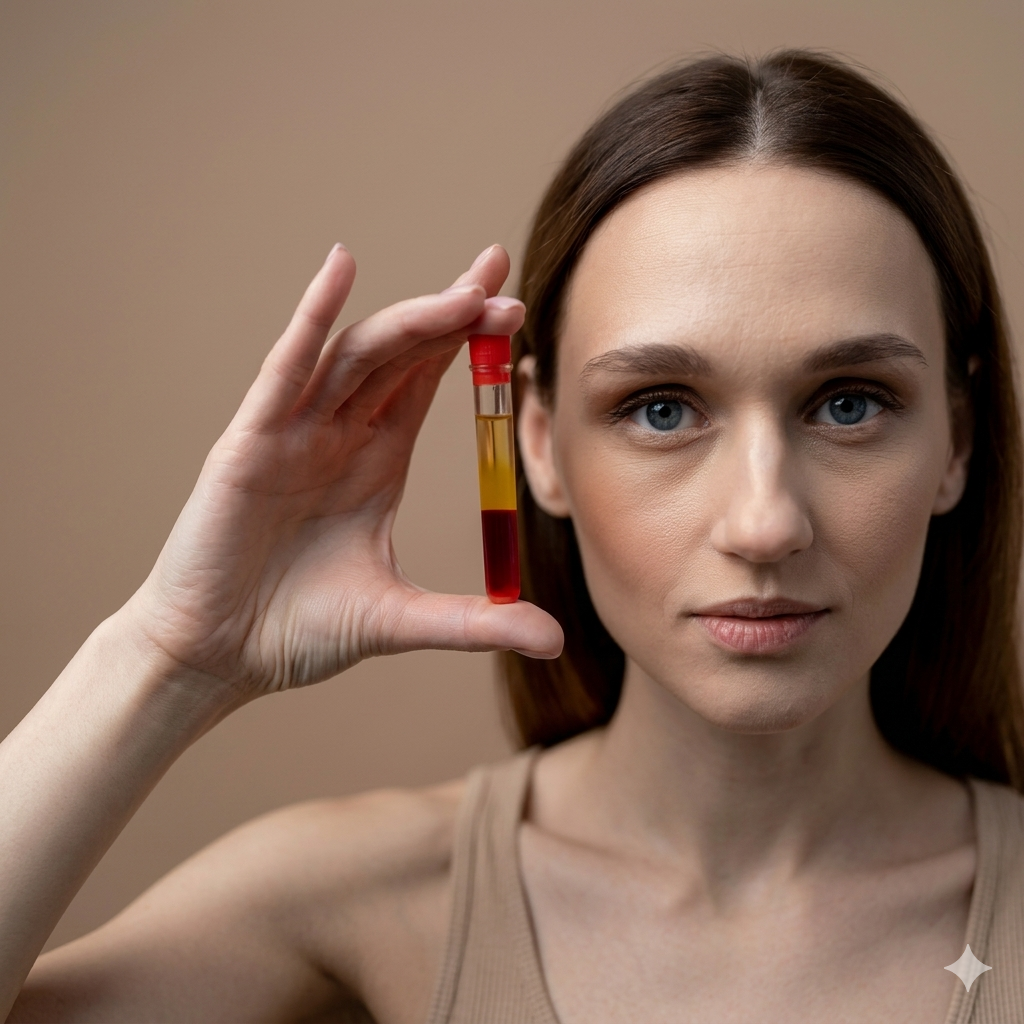
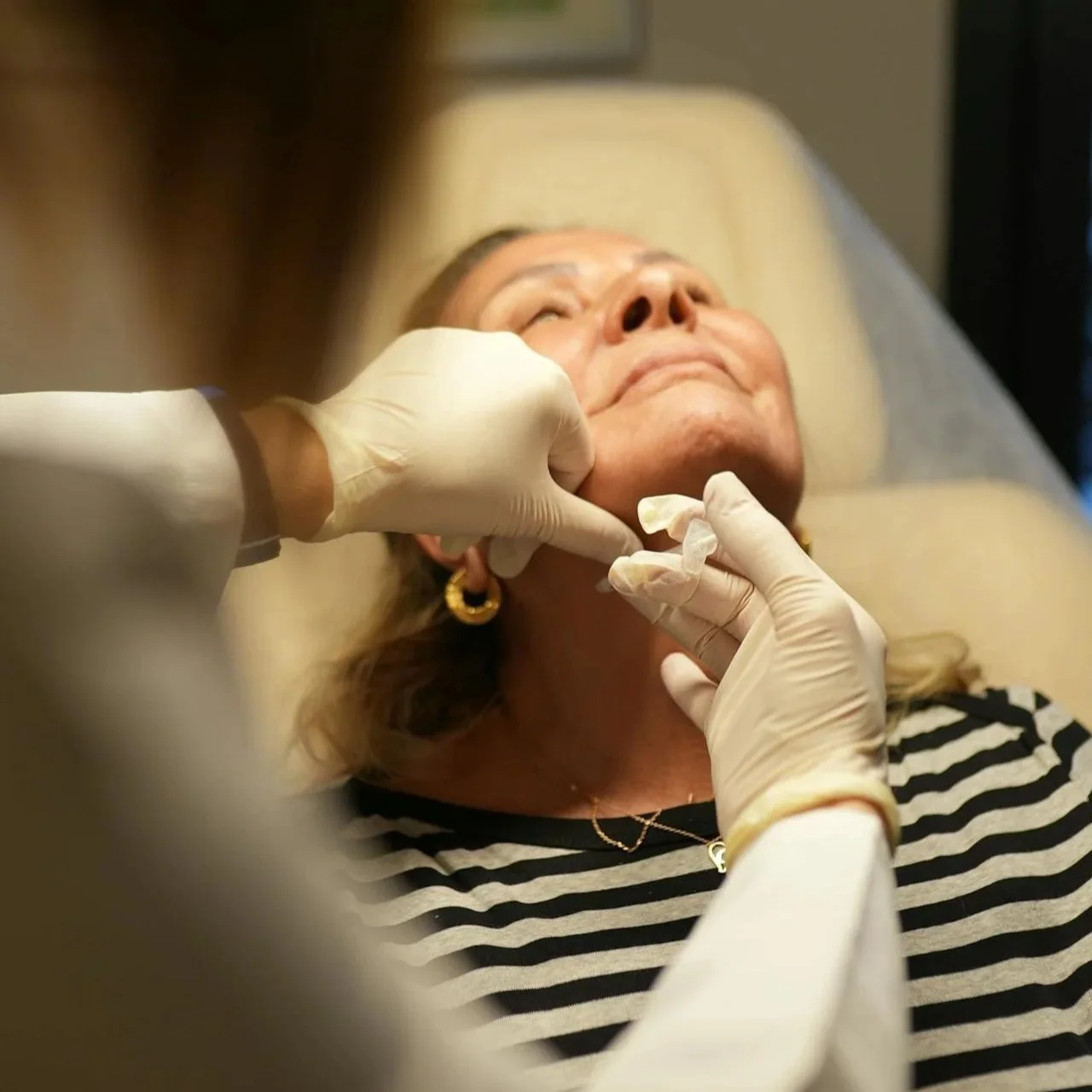
This is why treatments like microneedling and PRP are often recommended in Hawaiʻi—they support collagen production and help strengthen the skin against environmental stress.
Maintaining healthy skin in a tropical climate
While you can’t avoid the elements, you can take steps to protect and support your skin.
Daily SPF is essential, even during routine activities. Broad-spectrum protection helps reduce UV-related damage and preserves overall skin health.
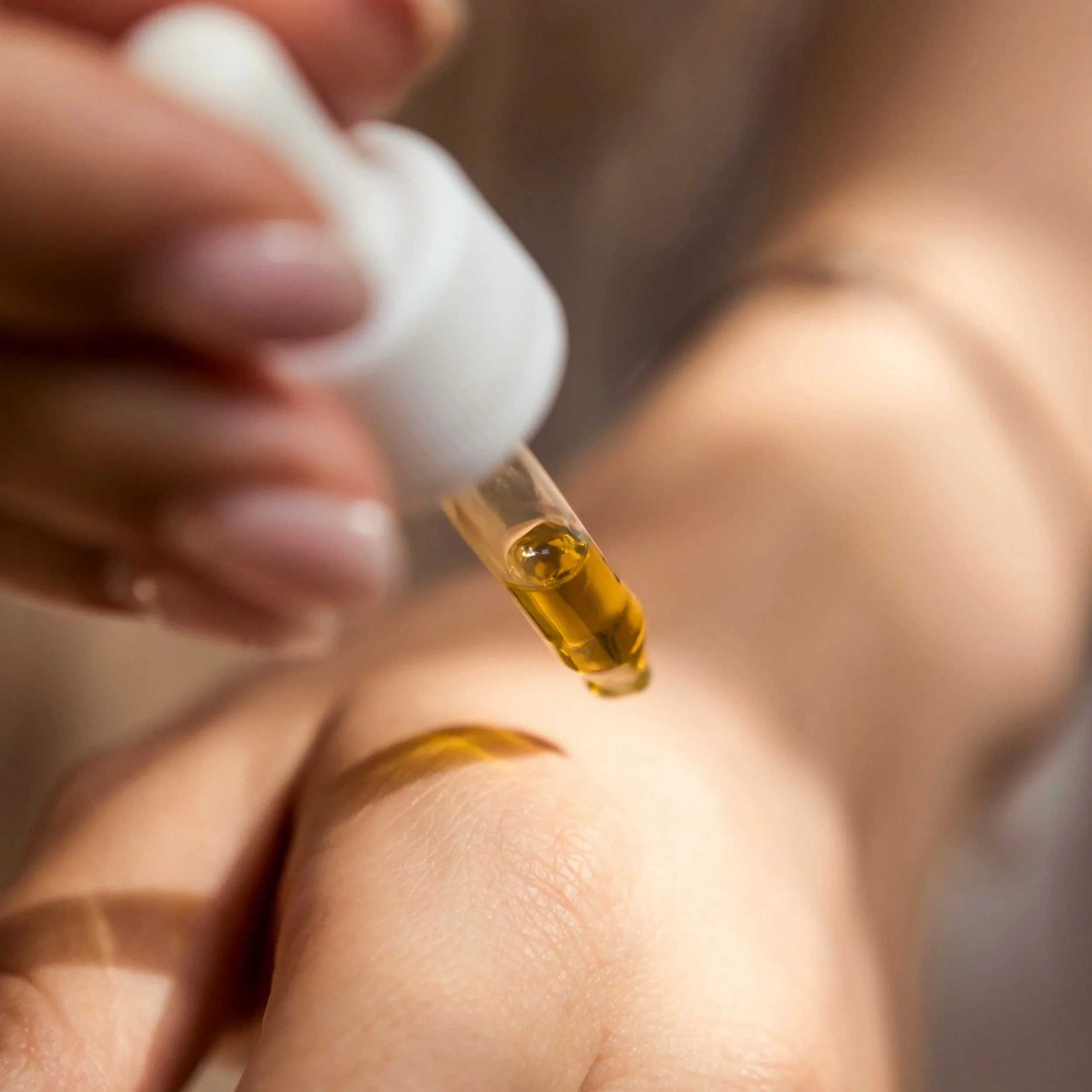
Hydration also plays a critical role. Drinking enough water and using hydrating skincare products helps maintain skin elasticity and resilience.
After ocean exposure, rinsing with fresh water and applying a moisturizer can help restore the skin barrier.
Consistency is key. A simple, well-maintained routine is often more effective than overcomplicating your skincare.
A long-term approach to skin health
Living in Hawaiʻi doesn’t mean compromising your skin—it simply requires a more intentional approach.
By understanding how your environment affects your skin and choosing treatments that support long-term health, you can maintain a smooth, balanced, and radiant appearance over time.
Whether you’re focused on prevention, maintenance, or correction, the goal is the same: healthy skin that reflects both your lifestyle and your care.
If you’re unsure how your environment may be affecting your skin or which treatments are best suited to your needs, a consultation can help guide you toward a plan that works for you in Hawaiʻi’s unique climate.
The information provided in this article is for educational and informational purposes only and is not intended as medical advice. Individual results may vary.
While we strive to provide accurate and up-to-date information, this content should not be relied upon as a substitute for professional medical evaluation, diagnosis, or treatment. Always seek the advice of a qualified healthcare provider regarding any medical or aesthetic concerns.