Can Microneedling Repair Hawaiian Sun Damage?
Living in Hawaiʻi means year-round sun, outdoor activity, and regular exposure to saltwater and humidity. While this lifestyle is part of what makes the islands so special, it also accelerates a process known as photoaging—where UV exposure breaks down collagen and leads to uneven tone, fine lines, and texture changes.
Microneedling has become one of the most popular treatments for addressing these concerns. But can it actually repair sun damage, or is it more about improving the appearance of the skin?… The answer is somewhere in between.
What sun damage really does to your skin
Sun exposure affects the skin on multiple levels. Ultraviolet rays penetrate into the dermis, where they degrade collagen and elastin—the structures responsible for firmness and elasticity. Over time, this leads to:
Uneven pigmentation and sun spots
Fine lines and wrinkles
Rough texture
Loss of elasticity
In a place like Hawaiʻi, where sun exposure is constant, these changes can happen earlier and progress more quickly.
How microneedling works
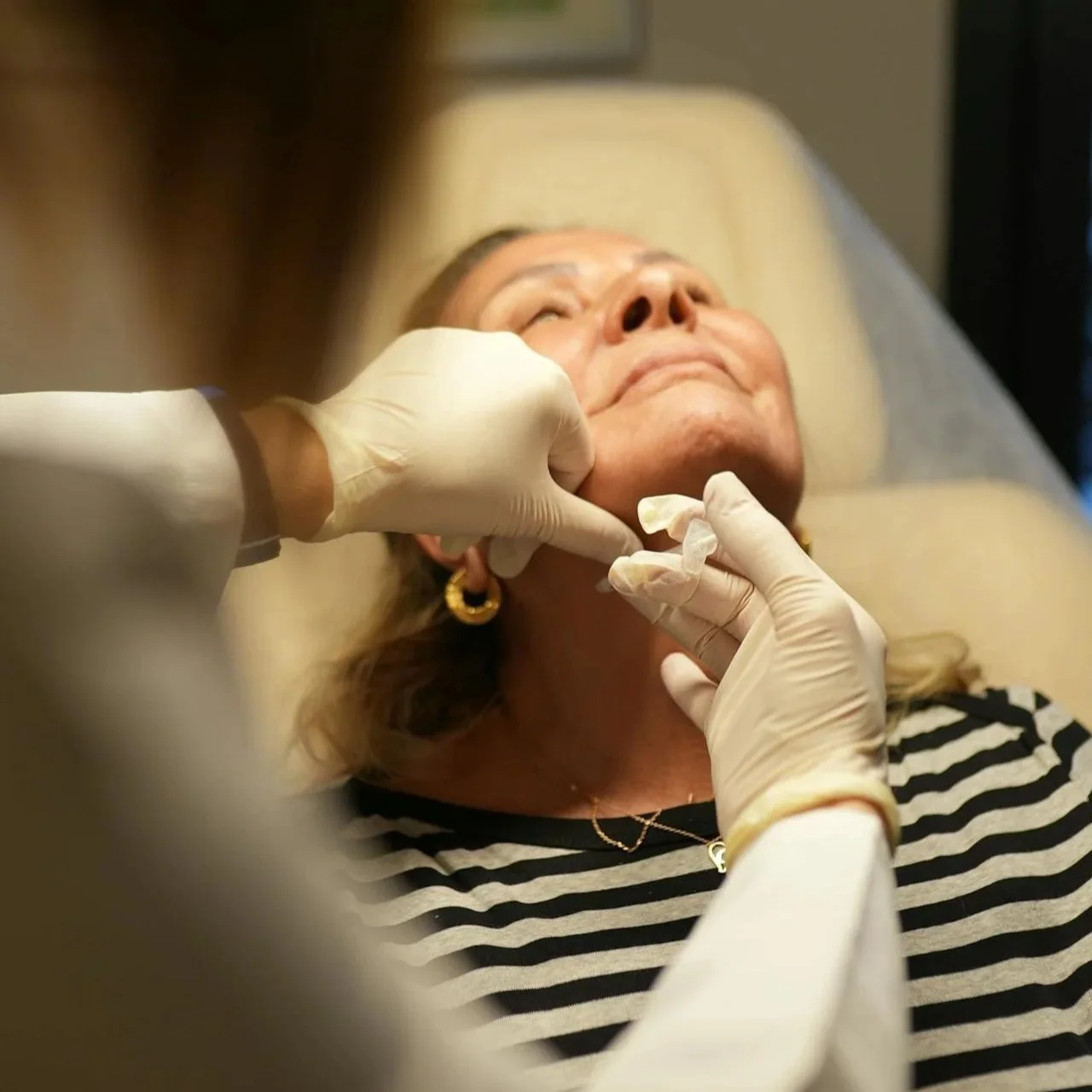
Microneedling, also known as collagen induction therapy, works by creating controlled micro-injuries in the skin. These micro-channels trigger the body’s natural healing response, stimulating the production of new collagen and elastin.
This process helps rebuild the skin from within, improving both texture and tone over time. Studies show that microneedling can significantly improve skin quality, including wrinkles, elasticity, and overall texture when performed in a series of treatments .
Because it works by activating your body’s natural repair mechanisms, microneedling is considered a regenerative treatment rather than a quick fix.
Can microneedling repair sun damage
Microneedling does not “erase” sun damage in the way a laser might target specific pigmentation. Instead, it improves the overall condition of the skin, which can reduce the visible effects of sun exposure.
By stimulating collagen and encouraging cell turnover, microneedling can help:
Improve uneven skin tone and pigmentation
Smooth rough texture caused by sun exposure
Reduce the appearance of fine lines
Support healthier, thicker skin
Research shows that microneedling can improve photoaged skin and reduce pigmentation irregularities over time .
In other words, it helps your skin function and look more like healthier, undamaged skin—even if it doesn’t completely remove all signs of past sun exposure.
Why microneedling works well in Hawaiʻi
One of the advantages of microneedling, especially in a tropical climate like Hawaiʻi, is that it is safe for a wide range of skin types and carries a lower risk of post-inflammatory hyperpigmentation compared to more aggressive treatments.
Because it does not rely on heat or light energy, it can be a more controlled option for patients who are regularly exposed to the sun or have more melanin-rich skin.
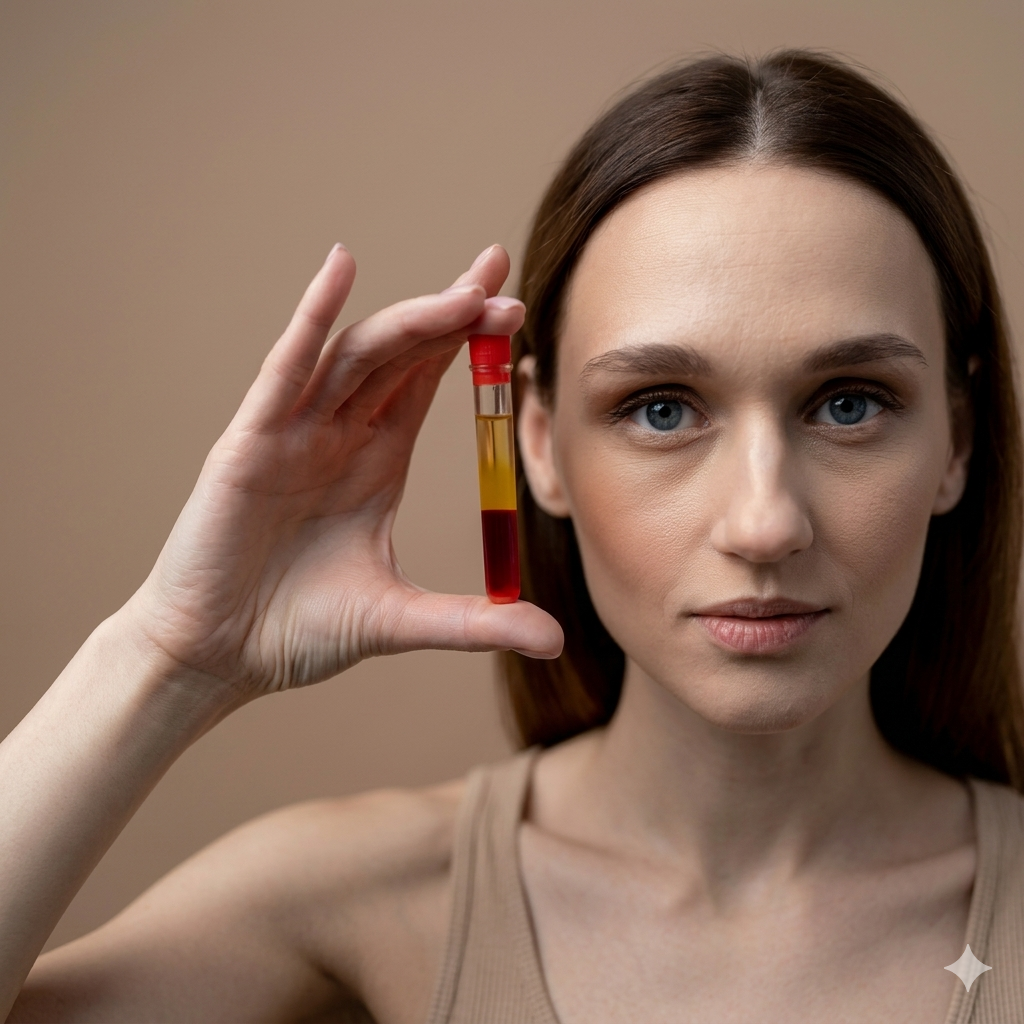
It also pairs well with treatments like PRP (platelet-rich plasma), which can further enhance the skin’s regenerative response and improve overall results.
What kind of results to expect
Microneedling results are gradual and cumulative. Most patients begin to notice improvements in skin texture and radiance within a few weeks, with continued improvement over a series of treatments.
Common outcomes include:
Smoother, more even skin texture
Brighter, more consistent tone
Softening of fine lines
Improved overall skin quality
Because sun damage develops over time, repairing it also requires a long-term approach. Multiple sessions are typically recommended to achieve optimal results.
What microneedling cannot do
While microneedling is highly effective for improving overall skin quality, it does have limitations.
It may not fully remove:
Deep pigmentation or sun spots
Severe skin laxity
Advanced photoaging
In these cases, a combination of treatments may be recommended to achieve more comprehensive results.
Maintaining your results in a tropical climate
In Hawaiʻi, maintaining your results is just as important as the treatment itself. Continued sun exposure without protection can quickly counteract progress.
To support long-term improvement:
Wear broad-spectrum SPF daily
Stay hydrated, especially after sun and ocean exposure
Use medical-grade skincare to support collagen production
Schedule maintenance treatments as recommended
These habits help protect your skin and extend the benefits of microneedling.
The bottom line…
Microneedling is one of the most effective non-invasive treatments for improving the visible effects of sun damage, especially in a place like Hawaiʻi where environmental exposure is constant.
Rather than acting as a quick fix, it works by strengthening and rebuilding the skin over time—leading to smoother texture, more even tone, and healthier-looking skin.
If you’re dealing with sun damage and not sure where to start, microneedling offers a natural, regenerative approach that can be tailored to your skin and your lifestyle. A consultation is the best way to determine if it’s the right fit and to create a plan that supports long-term skin health.
The information provided in this article is for educational and informational purposes only and is not intended as medical advice. Individual results may vary.
While we strive to provide accurate and up-to-date information, this content should not be relied upon as a substitute for professional medical evaluation, diagnosis, or treatment. Always seek the advice of a qualified healthcare provider regarding any medical or aesthetic concerns.