Early Signs of Hair Loss: When to Start Treatment
Hair loss is often gradual, making it easy to overlook in the early stages. Many people don’t realize how much density they’ve lost until the changes become more noticeable. The reality is that the earlier hair thinning is addressed, the more options you have to slow progression and support regrowth.
Understanding the early signs of hair loss—and knowing when to start treatment—can make a meaningful difference in long-term results.
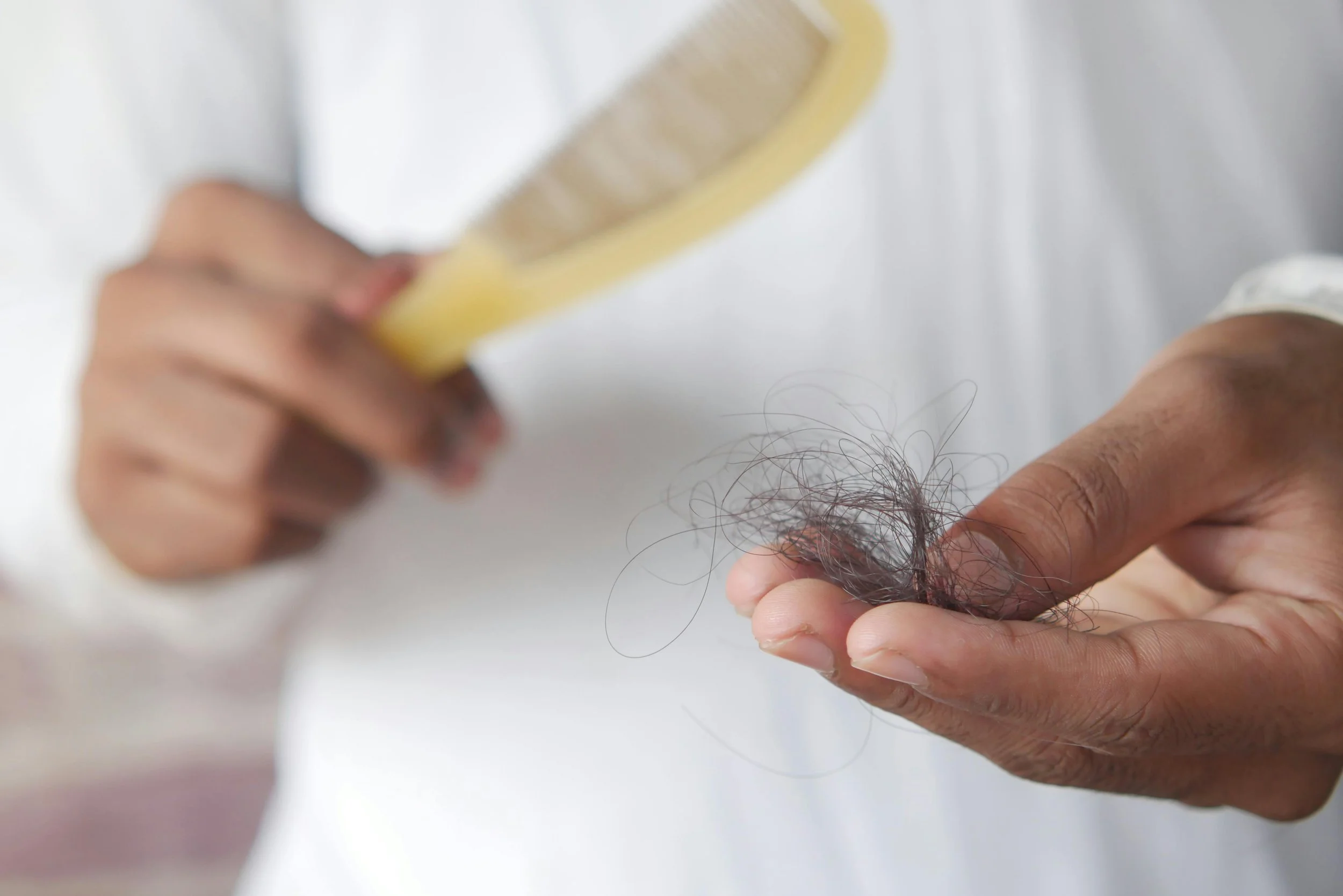
Subtle changes that signal early hair loss
Hair loss doesn’t always begin with dramatic shedding or visible bald spots. In many cases, the first signs are more subtle and develop over time.
You may start to notice:
A widening part or less fullness at the crown
Hair that feels thinner when styling or tying back
Increased shedding in the shower or on your pillow
Reduced volume overall, even if your hairline looks the same
Hair that appears finer or weaker than before
These changes are often the result of follicle miniaturization, where hair strands gradually become thinner and less pigmented before eventually stopping growth altogether.
Common causes of early hair thinning
Hair loss can be influenced by a variety of factors, and in many cases, it’s a combination rather than a single cause.
Some of the most common contributors include:
Androgenic alopecia, also known as pattern hair loss
Hormonal changes
Stress and lifestyle factors
Nutritional deficiencies
Environmental exposure, including sun and saltwater
In Hawaiʻi, sun exposure and an active outdoor lifestyle can add additional stress to the scalp and hair, which may accelerate existing thinning.
Why timing matters
One of the most important factors in treating hair loss is timing. Hair follicles that are still active—though weakened—can often be supported and stimulated. Once a follicle becomes dormant for too long, it becomes much more difficult to restore.
Starting treatment early allows you to:
Preserve existing hair density
Strengthen weakened follicles
Slow the progression of thinning
Improve long-term outcomes
Waiting until hair loss becomes more advanced can limit your options and reduce the effectiveness of non-surgical treatments.
When to consider treatment
If you’ve noticed consistent changes in density, increased shedding, or a shift in how your hair looks or feels, it’s worth exploring treatment options.
You don’t need to wait until hair loss is severe. In fact, many of the most effective treatments work best when started early.
Even if you’re unsure whether what you’re experiencing is normal, a professional assessment can help clarify what’s happening and whether intervention is appropriate.
Treatment options for early hair loss
For early-stage thinning, non-surgical treatments are often the first line of approach.
PRP (platelet-rich plasma) hair restoration is one of the most commonly recommended options. It works by using your body’s own growth factors to stimulate follicle activity and improve scalp health.
This type of treatment is particularly effective for:
Early-stage thinning
Pattern hair loss
Weak or miniaturized follicles
Because PRP supports the natural growth cycle, results develop gradually and are best maintained with a series of treatments.
Building a long-term plan
Hair restoration is not a one-time solution. It’s a process that involves consistency, maintenance, and an understanding of how your hair responds over time.
A personalized treatment plan may include:
A series of PRP treatments
Maintenance sessions
Lifestyle and scalp care recommendations
The goal is not just regrowth, but long-term support of hair health and density.
Taking the first step
Hair loss can feel frustrating, but it’s also highly manageable when addressed early.
Paying attention to subtle changes and taking action sooner rather than later gives you the best chance of maintaining and improving your hair over time.
If you’re noticing early signs of thinning and aren’t sure what to do next, a consultation can help you better understand your options and create a plan that fits your goals and your lifestyle.
The information provided in this article is for educational and informational purposes only and is not intended as medical advice. Individual results may vary.
While we strive to provide accurate and up-to-date information, this content should not be relied upon as a substitute for professional medical evaluation, diagnosis, or treatment. Always seek the advice of a qualified healthcare provider regarding any medical or aesthetic concerns.